Live Healthy: Disease & Prevention
Disease & Prevention
Vaccines (including the flu shot), STD/HIV testing, tuberculosis and hepatitis services, and diseases carried by mosquitoes and ticks. For information on routine immunizations, please visit the Immunization Programs & Vaccines page.
Seasonal Respiratory Disease Guidance
For the seasonal respiratory diseases COVID-19, flu and RSV, San Mateo County Health follows the vaccination guidance from the California Department of Public Health (CDPH).
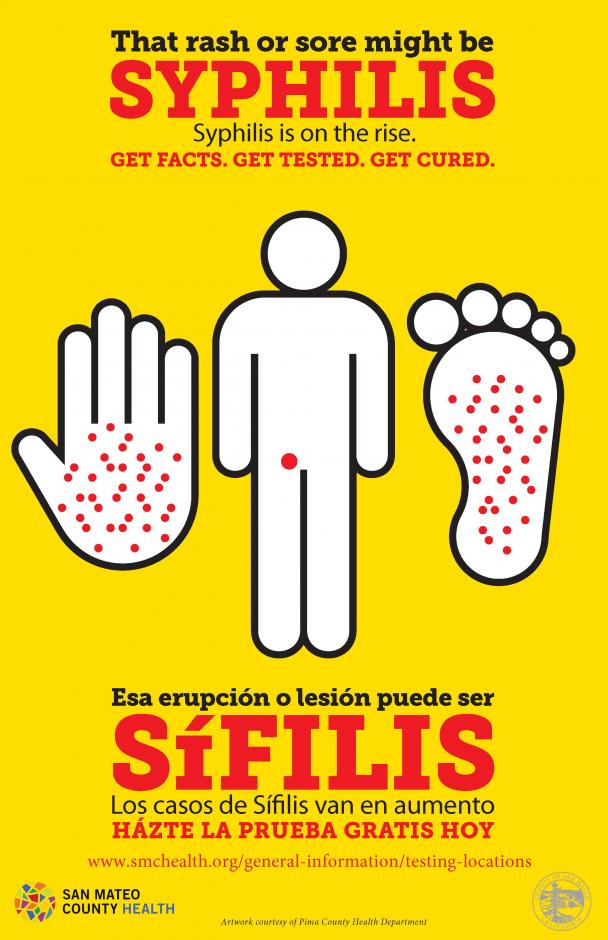
STD/HIV Clinics and Testing
The San Mateo County STD/HIV Program works to prevent STD/HIV infection and care for individuals and families affected by HIV in San Mateo County. The Program provides comprehensive, community-based prevention and testing services, STD/HIV related health care, social services, advocacy, and referrals to community agencies providing drug treatment, housing, food, dental care and other services.
Influenza (flu)
County Health is urging everyone over the age of 6 months to get a flu shot to protect themselves and their loved ones. The best way to reduce your risk from seasonal flu and its potentially serious complications is to get vaccinated every year. Learn more about seasonal flu guidance here.
Older adults, pregnant women, young adults, children, and people with other underlying health conditions are most at risk of getting the flu, but everyone six months and older should get vaccinated.
It takes two weeks after being immunized to be fully protected, so it’s best not to delay getting a shot.
You can get flu shots from:
- Your primary health care provider
- Retail pharmacies and stores, with information and appointments available on MyTurn
Flu symptoms include fever, cough, sore throat, a runny or stuffy nose, muscle or body aches, headaches and fatigue. There are other viruses that can cause these symptoms, but a high fever and bad cough usually indicate flu.
No Cost Vaccine Clinics for Uninsured Individuals
Everyone 6 months and older should be vaccinated.
Persons without insurance should contact County Health’s Health Coverage Unit at (650) 616-2002 to ask about coverage options.
| City | Location | Date | Day | Time |
|---|---|---|---|---|
| Daly City | Daly City Health Center 380 90th St., First Floor Ages: 2 years and older |
Oct. 9, 2026 Nov. 6, 2026 |
Friday | 5:00pm – 7:00pm |
| Our Lady of Mercy 1 Elmwood Drive Ages: 3 years and older |
Oct. 4, 2026 | Sunday | 9:00am – 1:00pm | |
| United Methodist Church 1474 Southgate Avenue Ages: 3 years and older |
Oct. 18, 2026 | Sunday | 11:00am – 2:30pm | |
| Church of the Nazarene 1595 Edgeworth Avenue Ages: 3 years and older |
Oct. 25, 2026 | Sunday | 9:00am – 1:00pm | |
| East Palo Alto | Ravenswood Family Health Network 1885 Bay Road Thursdays: Drive Thru – Saturdays: Walk In (Closed Nov. 26 – Nov. 28) Ages: 3 years and older |
Oct. 3, 2026 to Dec. 5, 2026 |
Saturdays | 8:30am – 11:30am |
| Thursdays | 8:30am – 11:30am | |||
| Bell Street Park 550 Bell Street Ages: 3 years and older |
Sept. 26, 2026 | Saturday | 9:30am – 2:00pm | |
| Half Moon Bay | Half Moon Bay Library 620 Correas Street Ages: 2 years and older |
Oct. 24, 2026 | Saturday | 11:30am – 2:00pm |
| Coastside Health Center 225 South Cabrillo Hwy., 100A, First Floor Ages: 6 months and older |
Oct. 3, 2026 | Saturday | 9:00am – 12:00pm | |
| Oct. 29, 2026 | Thursday | 4:00pm – 6:00pm | ||
| Nov. 14, 2026 | Saturday | 8:00am – 4:00pm | ||
| Nov. 19, 2026 | Thursday | 4:00pm – 6:00pm | ||
| Menlo Park | St. Anthony’s Dining Room (St. Anthony’s Church) 3500 Middlefield Road Ages: 2 years and older |
Oct. 10, 2026 | Saturday | 10:30am – 1:30pm |
| Pescadero | Puente de la Costa Sur 620 North Street Ages: 2 years and older |
Oct. 7, 2026 | Wednesday | 3:00pm – 6:00pm |
| Redwood City | Fair Oaks Health Center 2710 Middlefield Road Ages: 6 months and older |
Oct. 3, 17, 24, 2026 | Saturdays | 9:00am – 2:30pm |
| Nov. 7, 21, 2026 | ||||
| Dec. 5, 19, 2026 | ||||
| San Mateo | College of San Mateo 1700 West Hillsdale Blvd Health and Wellness Building, 3rd Floor Ages: 3 years and older |
Oct. 3, 2026 to Nov. 21, 2026 |
Saturdays | 11:00am – 3:00pm |
| San Mateo Medical Center- Senior Care Center 222 West 39th Avenue, First Floor Ages: 18 years and older |
Oct. 7, 2026 to Oct. 28, 2026 |
Wednesdays | 4:00pm – 7:00pm | |
| San Mateo Medical Center- Rotunda 222 West 39th Avenue, First Floor Ages: 3 years and older |
Oct. 6, 2026 to Oct. 27, 2026 |
Tuesdays | 10:00am – 2:00pm | |
| San Mateo Medical Center- Pediatric Clinic 222 West 39th Avenue, Third Floor Ages: 6 months-17 years |
Oct. 14, 2026 | Wednesday | 3:00pm – 7:00pm | |
| San Mateo Medical Center- Adult Primary Care Clinic 222 West 39th Avenue, Third Floor Ages: 18 years and older |
Oct. 14, 2026 | Wednesday | 4:00pm – 7:00pm | |
| San Mateo Medical Center- Parking Lot 225 37th Avenue Ages: 2 years and older |
Nov. 1, 2026 | Sunday | 11:00am – 2:00pm | |
| South San Francisco | Orange Memorial Park 35 West Orange Avenue Ages: 3 years and older |
Oct. 17, 2026 | Saturday | 10:00am – 2:00pm |
| St. Augustine Catholic Church 3700 Callan Blvd Ages: 3 years and older |
Oct. 11, 2026 | Sunday | 9:00am – 2:00pm | |
| South San Francisco Health Center 306 Spruce Avenue Ages: 2 years and older |
Oct. 16, 2026 Oct. 30, 2026 |
Friday | 5:00pm – 7:00pm |
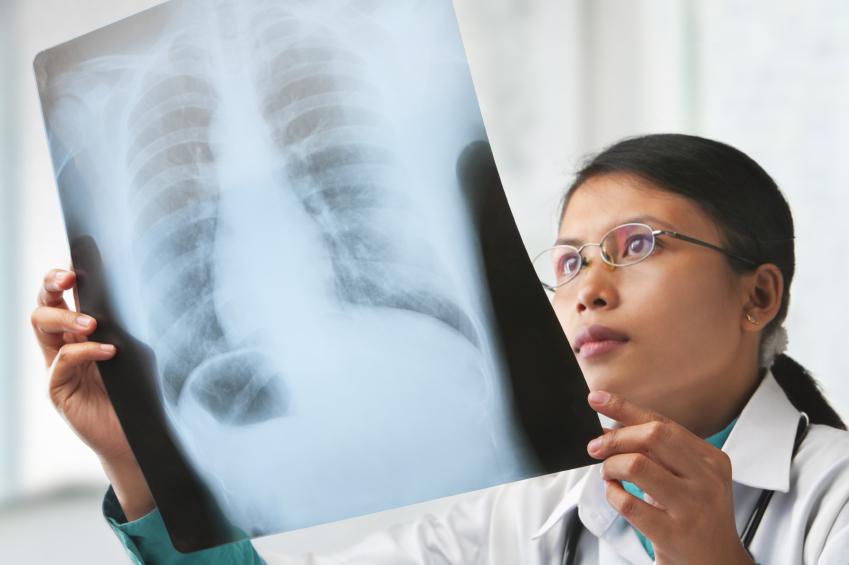
Tuberculosis (TB)
What It Is, Where to Get Tested, and What to Do if You Have It
Tuberculosis (TB) is a serious disease that affects people all over the world. TB used to be one of the leading causes of death in the United States, but not anymore. In most cases, tuberculosis is preventable, treatable, and curable.
- California Tuberculosis Screening Guidelines for Child Care Centers and Schools
- San Mateo County TB Testing Clinics
- TB Latente vs. TB Activa
- Latent TB laban sa Aktibong TB
- Rifampin Fact Sheet
- 3HP Fact Sheet
- INH Fact Sheet
- Sputum Collection Instructions - English
- Sputum Collection Instructions - Spanish
- Sputum Collection Instructions - Tagalog
- Home Isolation Instructions - English
- Home Isolation Instructions - Spanish
- Home Isolation Instructions - Tagalog
- 2020 Annual TB Report
- 2017 Annual TB Report
- 2018 Annual TB Report
- 2019 Annual TB Report
- 2021 Annual TB Report
- San Mateo County TB Testing Clinics
- 2022 Annual TB Report
- 2024 Annual TB Report
- 2023 Annual TB Report
- Read more
Viral Hepatitis
The word “hepatitis” means inflammation of the liver. Hepatitis is most often caused by a virus. In the US, the most common types of viral hepatitis are Hepatitis A, Hepatitis B, and Hepatitis C.
Viral hepatitis is the leading cause of liver cancer and the most common reason for liver transplantation. An estimated 4.4 million Americans are living with chronic (lifelong) hepatitis. Most do not know they are infected.
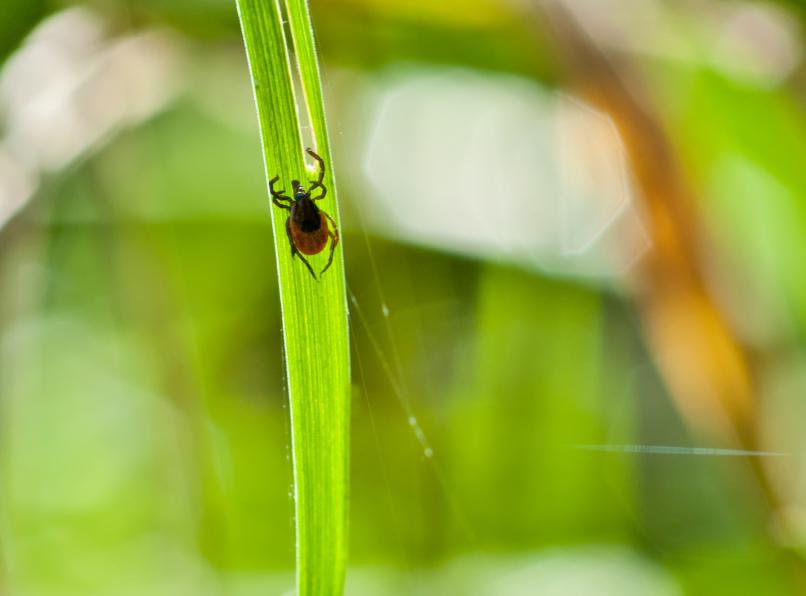
Lyme Disease & Tick Testing
The incidence of Lyme Disease in San Mateo County is very low.
There were 24 reported cases from 1991 to 1999, ranging from 1 to 4 cases each year. Compare this number to over 9,000 to 16,000 nationwide cases reported each year during the same time period.
The microorganism that causes Lyme Disease (Borrelia burgdorferi) is not common among ticks in San Mateo County. Young ticks, or nymphs, are more likely than adults to be infected; the nymphs often clear the infection by the time they reach adulthood.