Mental Health Equity and Advocacy Roundtable: A Conference Reflection
May 2026 BHRS Director's Newsletter
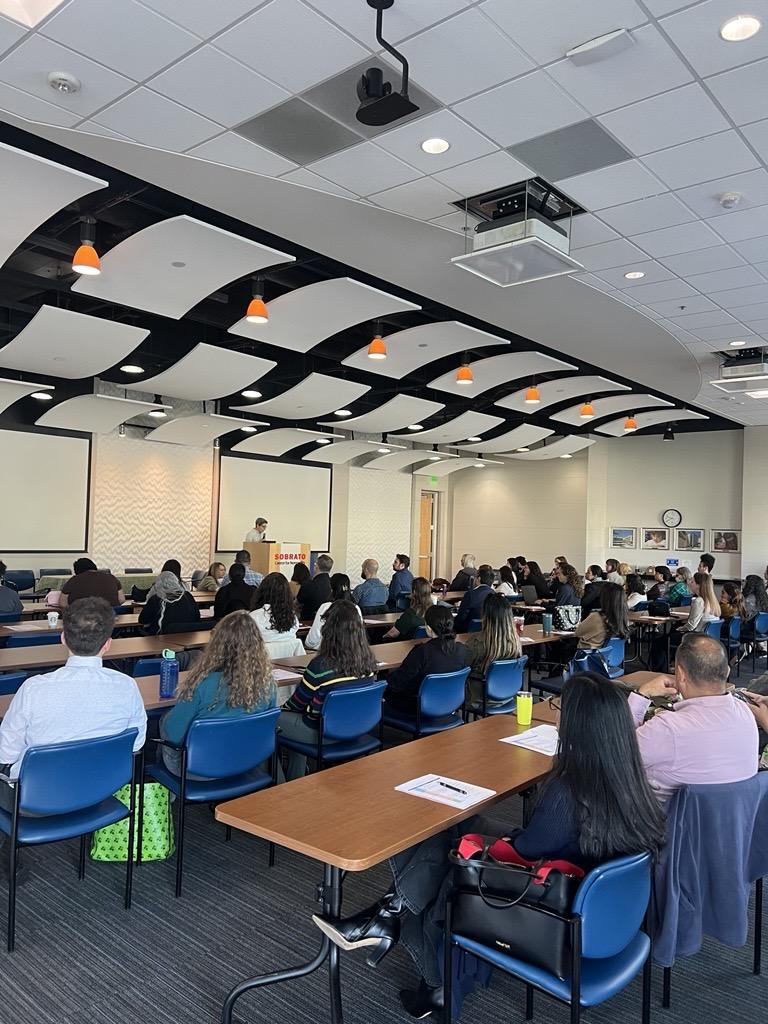
The Mental Health Equity and Advocacy Roundtable (MHEART) Conference, a partnership with San Mateo County Psychiatry Residency Training Program, Stanford Community Psychiatry Residency and UCSF Public Psychiatry Fellowship took place in Redwood City on April 17. Clinicians, advocates, researchers, patients and policy makers from across the Bay Area gathered for what turned out to be a full day of the kind of honest and grounded conversation that behavioral health work demands.
The morning opened with historian Dr. Ana Raquel Minian’s perspective on Mexican American immigration in the Americas, tracing how undocumented status has been shaped more by shifting laws and economic policy than by individual choice. From the Bracero Program to Operation Wetback to the unintended consequences of the 1986 Immigration Reform and Control Act, which fortified the border so thoroughly that seasonal circular migration gave way to permanent settlement, the talk made clear that the fear and social fracture our patients carry is not incidental to their lives but woven into the legal fabric of the country they helped build.
[image:24422,image right}The afternoon followed with a panel on clinical and legal advocacy, which offered practitioners concrete guidance on supporting patients navigating immigration enforcement and asylum proceedings, including how to connect patients with legal resources before, during and after detention encounters.
Attendees also heard from a panel on loneliness as a public health crisis, which discussed the physiological toll of social isolation, the vulnerability of immigrant and marginalized communities to structural loneliness, and evidence-based approaches such as community health worker models that providers can implement now.
The day closed with a keynote from Dr. Helena Hansen, Interim Chair of UCLA's Department of Psychiatry and co-author of “Whiteout: How Racial Capitalism Changed the Color of Opioids in America.” Drawing on decades of research, Dr. Hansen traced how the opioid epidemic was constructed through what she calls Technologies of Whiteness, the interlocking systems of addiction neuroscience, pharmaceutical marketing, biotechnology, and federal regulation that consistently directed treatment resources, public sympathy, and legal protection toward white patients while Black, Indigenous, and Latinx communities were left to contend with overdose deaths and incarceration. Dr. Hansen offered the framework of structural competency as a way forward, the recognition that clinicians' scope of responsibility extends into the institutions, policies, and power structures that shape health long before a patient walks through the door. Community partnerships, policy advocacy, and in-clinic structural interventions are necessary to providing good care.
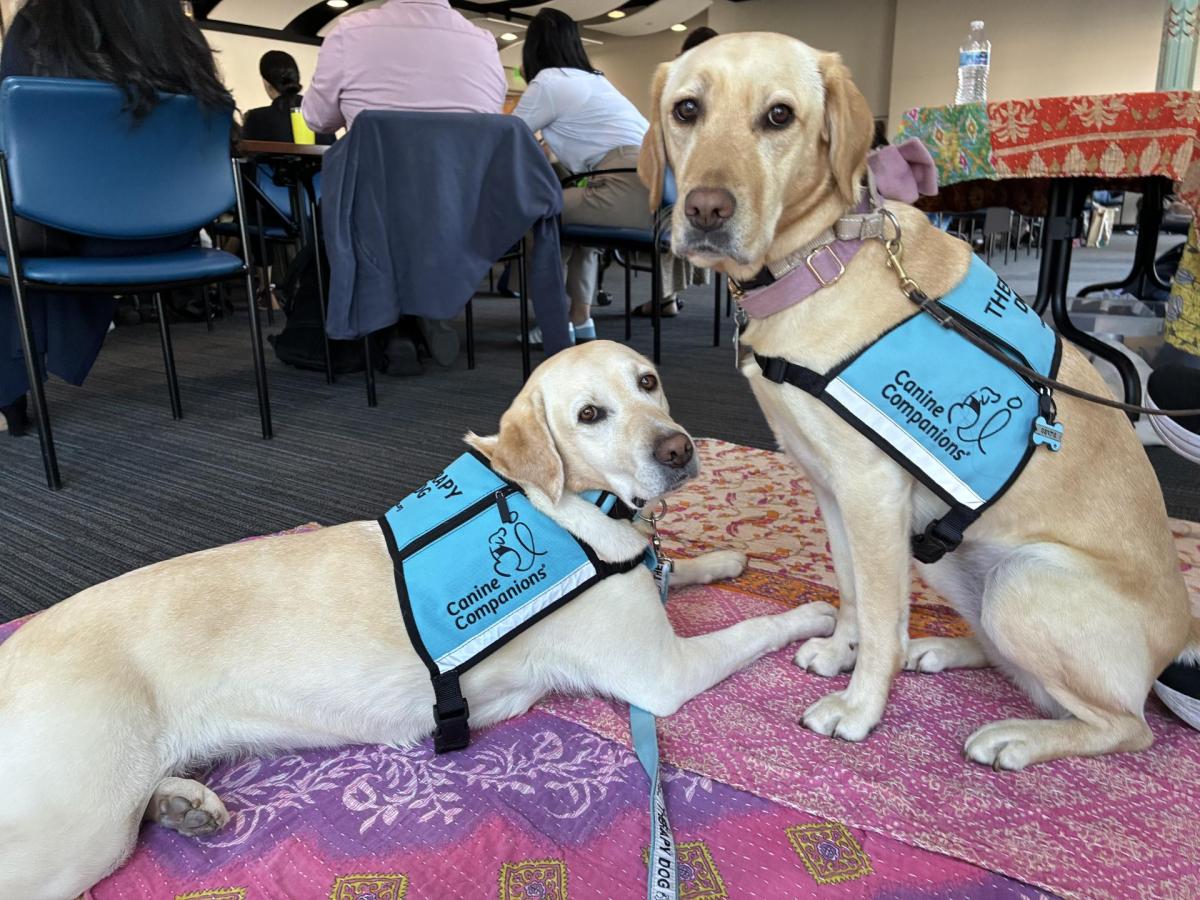 What MHEART continues to build across
the Bay Area is something genuinely worth celebrating. We are
living through a period of uncertainty in how mental health care
is delivered, how patients access it, and what resources will
remain available. The San Mateo portion of the conference was
organized by Brendan Scherer (San Mateo Psychiatry Program
Director), Shruti Rajan (PGY-4 Psychiatry Resident, UCSF PPF
Fellow), Megann McGinnis (PGY-3 Psychiatry Resident), Mary
Taylor (IMAT Clinical Supervisor), and Dr.
Tamar Meidav (UCSF Child and Adolescent Staff
Psychiatrist), whose collective care in shaping the day’s arc –
from the art on the walls to the scholarship that closed it –
showed in every hour. This is the conversation that mental health
equity asks us to have, and we are having it.
What MHEART continues to build across
the Bay Area is something genuinely worth celebrating. We are
living through a period of uncertainty in how mental health care
is delivered, how patients access it, and what resources will
remain available. The San Mateo portion of the conference was
organized by Brendan Scherer (San Mateo Psychiatry Program
Director), Shruti Rajan (PGY-4 Psychiatry Resident, UCSF PPF
Fellow), Megann McGinnis (PGY-3 Psychiatry Resident), Mary
Taylor (IMAT Clinical Supervisor), and Dr.
Tamar Meidav (UCSF Child and Adolescent Staff
Psychiatrist), whose collective care in shaping the day’s arc –
from the art on the walls to the scholarship that closed it –
showed in every hour. This is the conversation that mental health
equity asks us to have, and we are having it.
By Shruti Rajan, PGY-4 Psychiatry Resident, San Mateo County Psychiatry Residency Training Program.